
TEXAS
NEUROTRAUMA
COUNSELING, PLLC
SERVICES
EDUCATIONAL SUPPORT
NEUROTRAUMA
Understanding Diagnoses
Mechanism of Injury
Community Resources
COGNITIVE DEFICITS & MENTAL HEALTH
BRAIN INJURY RECOVERY
COUNSELING
Depression
Anxiety
Trauma & PTSD
Medical Trauma
Chronic Illness
Health Anxiety
Grief & Loss
Return to Work/School
Relationships & Family
Communication
Caregiver Fatigue
Lifestyle Changes
Acceptance & Resilience
COGNITIVE REHABILITATION
EXECUTIVE FUNCTIONS
Working Memory
Attention
Organization
Planning
Critical Thinking
Impulse Control
Cognitive Flexibility
Emotional Regulation
Frustration Tolerance
Stress Management

Traumatic Brain Injury
Counseling & Rehabilitation
Types of Brain
Injuries Supported
-
Concussion
-
Stroke
-
Aneurysm
-
Skull fracture/brain bleed
-
Anoxic
-
Seizure disorders
-
Viruses/autoimmune
-
Neurotoxins
-
Brain cancer
-
Suspected CTE
-
Blast injury
Neurotrauma in the brain oftentimes goes beyond visible head injuries and diagnosed disease. Falls, car accidents, sports concussion, explosions, and loss of oxygen to the brain can result in cognitive, emotional, and behavioral changes that people struggle with on an everyday basis. These changes may not even be visible on brain imaging scans, but are often given the medical recommendation to heal on their own over time. Any experienced differences are not always permanent, yet they can still cause significant disruption, frustration, and loss of normality for the person experiencing them.
My work with clients recovering from brain injuries is centered around providing counseling and rehabilitation strategies to aide in the aftermath of various forms of neurotrauma. Whether you're just discharging from acute care or you've have been living with a brain injury for years, the right resources can make a difference. My goal is that you walk away from our first session feeling more informed about your brain injury and hopeful for the progress that can be made during your recovery. I specialize in working with each individual to help them where their injury-related changes are most inhibitive or pronounced. No two of my client's injuries or treatment plans are the same, but my underlying belief is that people can reclaim and redefine their sense of self.

Frequently Asked Questions

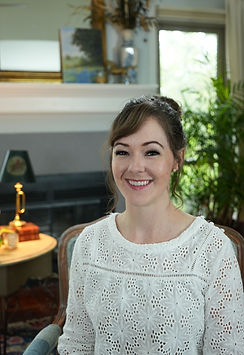
Jennifer Bommer
M.A., LPC,
Certified Brain Injury Specialist
Jennifer is a licensed professional counselor and brain injury specialist (CBIS) based in Austin, Texas. She is the founder of Texas Neurotrauma Counseling and a dedicated advocate for advancements in the brain injury system of care. Jennifer also holds a certification in concussions from the Brain Injury Association of America and completed training in cognitive rehabilitation from the American Congress of Rehabilitation Medicine.
Jennifer obtained her Masters of Arts in Counseling at St. Edward's University in 2018. As a graduate student, she completed her rotations as a therapist at Austin State Hospital's Specialty Psychiatric unit counseling adult dual diagnosis patients. Jennifer studied psychology and kinesiology during her undergraduate work at Southwestern University, with a focus in biomechanics and health psychology. While completing her bachelor’s degree, Jennifer interned at The University of Texas at Austin Sport Psychology Research Lab where her areas of research studied the impact of exercise on cognition and stress behaviors.
Outside of her private practice work, Jennifer currently serves on the board of the Brain Injury Association of Austin as well as the ACRM Transitions of Care Task Force. She has previously served on the Advocacy & Policy Committee for the National Neurotrauma Society and remains active in both state-wide and national brain injury advocacy work. Jennifer also enjoys volunteering with the American Red Cross as a Service to the Armed Forces Resiliency Workshop facilitator.


LIBRARY
WELCOME TO MY BOOK CAROUSEL
SCROLL TO SEE MY RECOMMENDED READING FOR BRAIN INJURY SURVIVORS AND THEIR LOVED ONES. YOU'LL FIND GUIDES, WORKBOOKS, MENTAL HEALTH TOPICS, MEMOIRS, AND MORE. CLICK ON ANY BOOK COVER FOR MORE INFORMATION.

Resources
Navigating life after a brain injury can be overwhelming, but you don’t have to do it alone. I've compiled a list of support groups, rehabilitation centers, and organizations dedicated to supporting brain injury survivors and their families. Scroll through each table to find the local (central Texas), statewide, and national resources to help you access the care, connection, and information you need.

Home Use Resources | Link |
|---|---|
Workbook of Activities for Language & Cognition (WALC 2) | https://www.atomictim.com/workbooks/WALC2.pdf |
Concussion Guidebook | https://concussionandcte.org/wp-content/uploads/2025/09/25-09_Concussion-Guidebook.pdf |
CTE Guidebook | https://concussionandcte.org/wp-content/uploads/2025/09/25-09_CTE-Guidebook.pdf |
U of Alabama Birmingham Cognitive Stimulation Guidebook | https://www.uab.edu/medicine/tbi/images/TBIMS/PDF/In-home_Cognitive_Stimulation_Guidebook_-_Final.pdf |
BIAA Practical Family Guide | https://biausa.org/practical-guide |
DBT Tools | https://dbt.tools/index.php |
Teen Grief & Loss Workbook | https://pedpsych.org/wp-content/uploads/2022/09/Grief-and-Loss-Workbook.pdf |
DBT Skills Reference Sheet | https://www.carepatron.com/files/dbt-skills-lists.pdf |
ACT Handouts & Worksheets | https://www.actmindfully.com.au/upimages/2016_Complete_Worksheets_for_Russ_Harris_ACT_Books.pdf |


CONTACT
Mailing Address
3571 Far West Blvd
#3426
Austin, Texas 78731
phone: 512-387-0006
fax: 833-907-5815
Appointments
Tuesday-Friday
9:00am-6:00pm